

Hear from Our Customers
You can’t see mold spores in the air. You can’t always smell them behind walls. But they’re there, multiplying in your attic, your crawl space, or behind that bathroom tile you’ve been meaning to fix.
Here’s what most people don’t realize until it’s too late: visible mold means you already have a problem. By the time you see it, you’re looking at thousands in remediation costs. Testing catches it before that happens.
A professional mold inspection uses thermal cameras and moisture meters to find what you can’t see. Air sampling tells you exactly what you’re breathing. Surface testing identifies the type of mold and how aggressive it is. You get a detailed report with spore counts and contamination levels, not guesswork.
In Bucks County, where humid summers and older homes create perfect conditions for growth, testing isn’t paranoia. It’s the difference between a $500 fix and a $15,000 disaster. It’s knowing your kids aren’t breathing in toxins while they sleep. It’s protecting a home value that could drop 20-37% the moment a buyer’s inspector finds mold.
We’ve been testing and treating homes across Bucks County for years. We know the area. We know how these older properties trap moisture. We know what happens when summer humidity hits a poorly ventilated attic.
You’re not getting a national franchise that trains techs in a weekend. You’re getting local professionals who’ve seen what mold does to homes in Aquetong, Lahaska, and New Hope. We use the same equipment mycologists use: laser particle counters, direct fungal exams, lab-grade analysis.
When you call us at 215-431-4744, you’re talking to someone who’ll show up when they say they will, test what needs testing, and tell you the truth about what we find. No upselling. No scare tactics. Just accurate information so you can make the right call for your home.
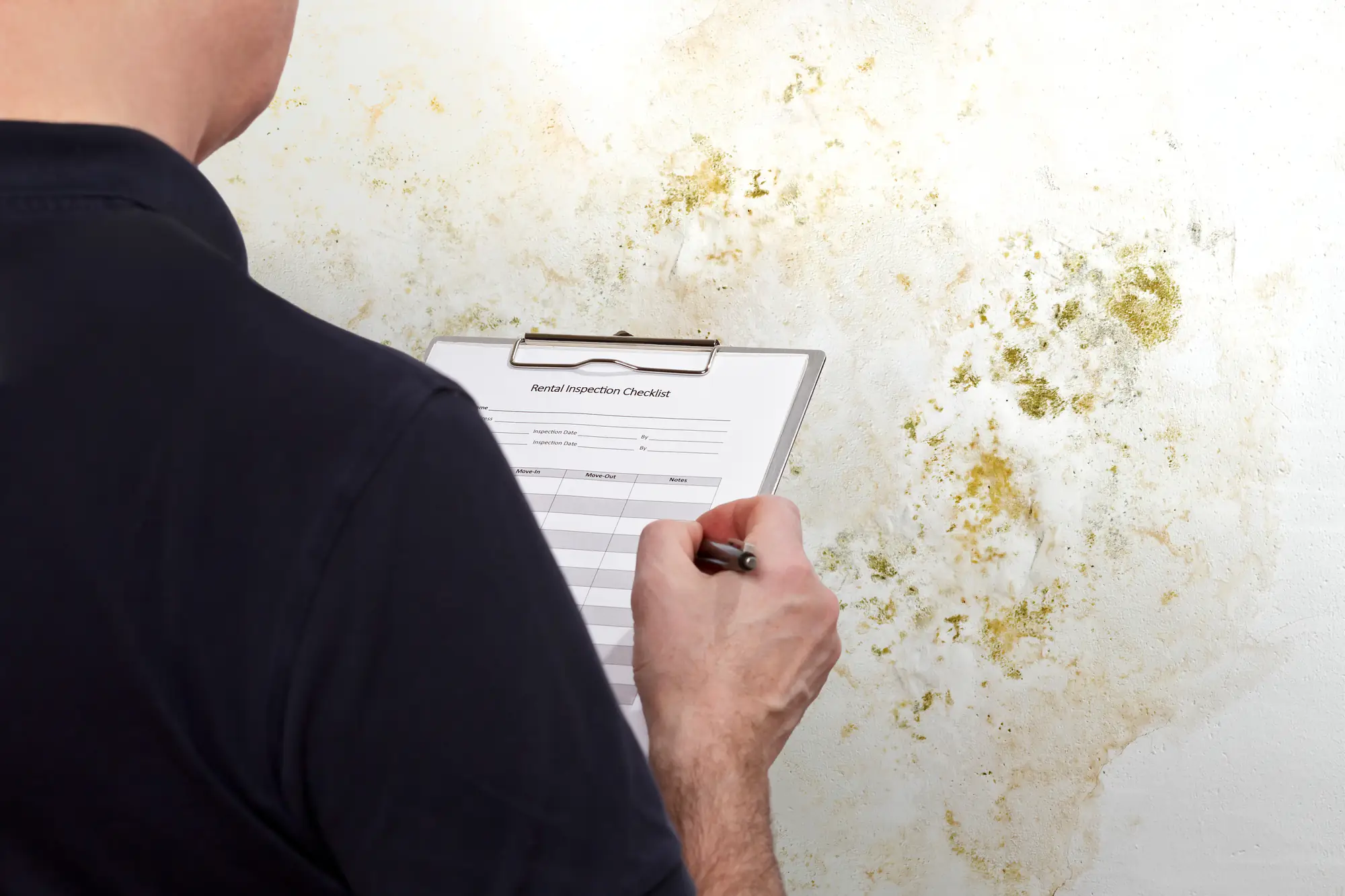
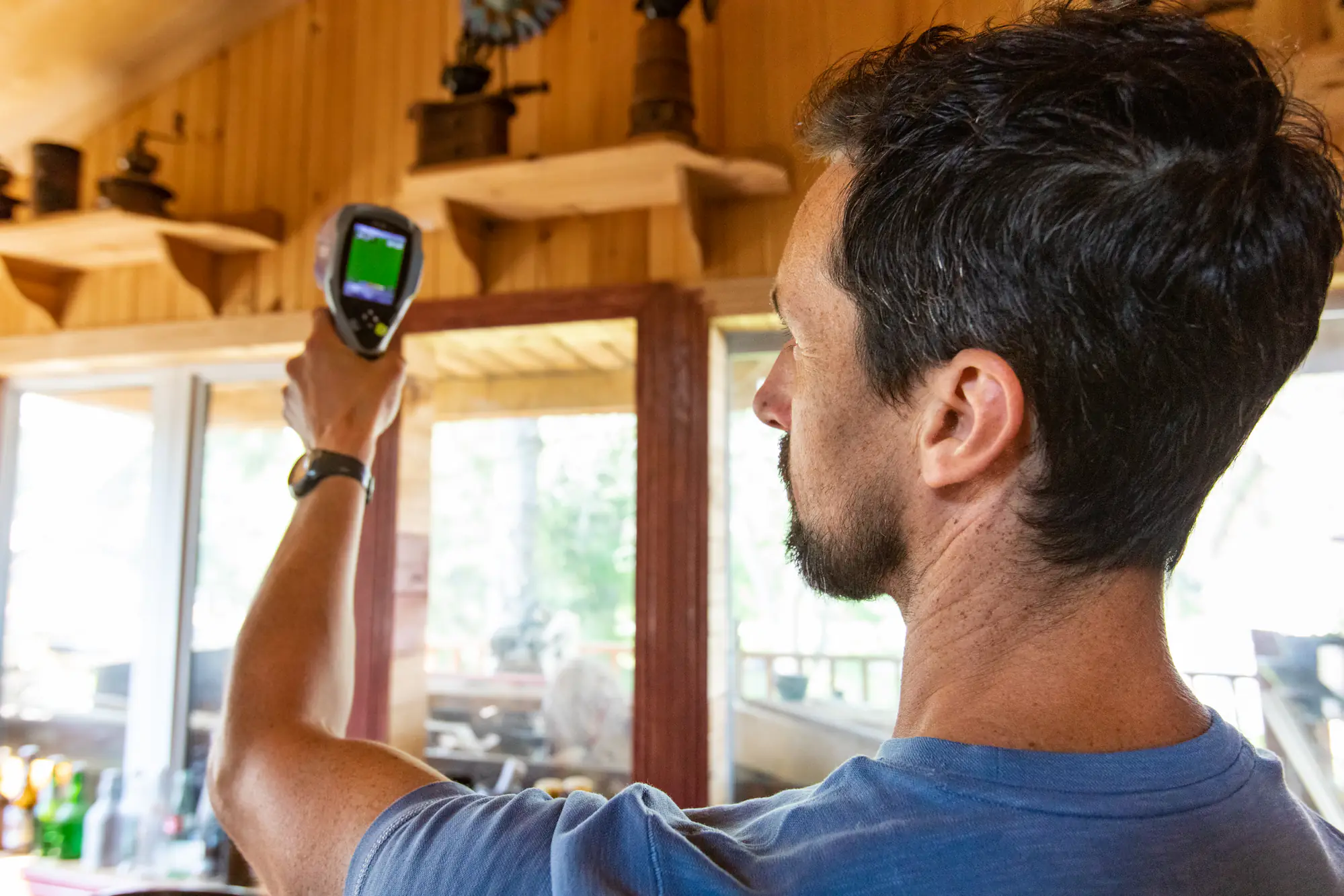
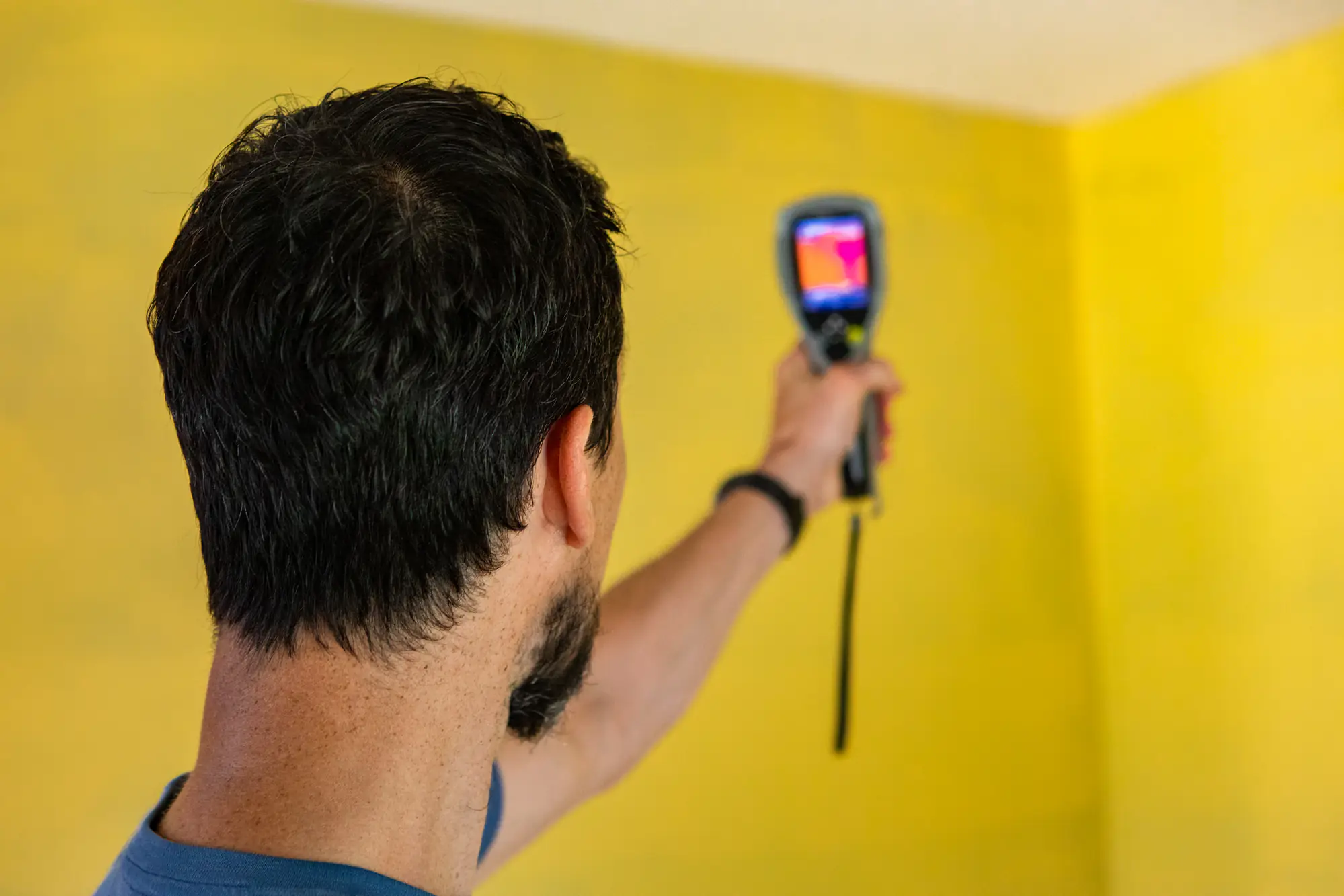
First, we walk through your home and look for the obvious stuff: water stains, discoloration, musty odors, areas where moisture collects. We use thermal imaging to spot temperature differences that indicate hidden moisture. Moisture meters tell us what’s wet behind the walls.
Then we test the air. Air sampling captures mold spores you’re breathing but can’t see. We take samples from multiple rooms and compare them to outdoor air to establish a baseline. If your indoor spore count is higher than outside, you’ve got a problem.
Surface testing comes next. We swab suspected areas and send samples to a lab for analysis. The lab identifies the exact species of mold and measures concentration levels. Some molds are just annoying. Others, like black mold, are toxic and need immediate attention.
You get a full report within a few days. It includes spore counts, mold types, contamination levels, and where the moisture is coming from. We’ll walk you through what it means and what your options are. If you need remediation, we handle that too. If you don’t, we’ll tell you that as well.
Ready to get started?
You get a visual inspection of your entire property, including attics, basements, crawl spaces, and anywhere moisture accumulates. You get thermal imaging that reveals hidden water damage and moisture meters that measure exactly how wet your building materials are.
Air quality testing captures mold spores in multiple rooms. We test the air you’re breathing every day and compare it to outdoor levels. Surface testing identifies the specific type of mold growing in your home. The lab analysis tells you if it’s toxic, allergenic, or just cosmetic.
In Aquetong and throughout Bucks County, we see the same patterns: poor attic ventilation in older homes, basement moisture from the water table, bathroom exhaust fans that vent into attics instead of outside. These aren’t just construction flaws. They’re health hazards that compound over time.
The report you receive isn’t generic. It’s specific to your home, your moisture sources, and your mold species. You’ll know if your asthma symptoms are related to mold exposure. You’ll know if that musty smell is actually toxic growth. You’ll know what it’ll cost to fix and what happens if you don’t.
Most residential mold testing in Aquetong runs between $300 and $600, depending on your home’s size and how many samples you need. A basic inspection with air sampling for a smaller home costs less. Larger properties or homes with multiple suspected areas cost more because we’re taking more samples and spending more time.
Here’s what affects the price: square footage, number of rooms tested, whether we’re doing air sampling or surface testing or both, and how accessible the problem areas are. An attic we can walk into costs less to inspect than a crawl space we have to squeeze through.
Some companies offer free inspections, but they’re usually tied to remediation services. You’re not getting objective testing. You’re getting a sales pitch. We charge for testing because it’s a standalone service. You get accurate results whether you hire us for remediation or not.
Compare that cost to what you’re risking. Mold remediation averages $2,000 to $6,000 once it spreads. Property value drops 20-37% if buyers find visible mold. Testing early saves you exponentially more than it costs.
DIY kits test for the presence of mold, which is useless because mold exists everywhere. Every home has mold spores. What matters is the concentration, the type, and where it’s growing. DIY kits don’t tell you any of that.
Professional testing measures spore counts in the air and compares them to outdoor levels. If your indoor count is significantly higher, you have active growth. We identify the species, which tells you if it’s toxic or just annoying. We find the moisture source, which is the only way to actually solve the problem.
DIY kits can’t detect hidden mold behind walls or in HVAC systems. They can’t measure airborne spore concentration. They can’t tell you if the mold in your bathroom is the same mold making your kid’s asthma worse. You’re getting a yes/no answer to the wrong question.
Professional testing uses thermal cameras, moisture meters, and lab analysis. You get a detailed report that shows contamination levels, identifies species, and pinpoints moisture sources. That’s actionable information. A DIY kit just tells you mold exists, which you already knew.
The on-site inspection usually takes one to two hours, depending on your home’s size and how many areas we’re testing. We’re walking through your property, taking air samples, swabbing surfaces, using thermal imaging, and measuring moisture levels. We’re not rushing. We’re being thorough.
Air samples and surface swabs go to a lab for analysis. You typically get results in three to five business days. The lab is identifying mold species, counting spores, and measuring concentration levels. That takes time to do correctly.
Some companies offer same-day results using instant tests, but those are less accurate. They can tell you if mold is present, but they can’t identify the species or give you precise spore counts. If you’re making decisions about remediation or worried about health effects, you need the full lab analysis.
Once results come back, we walk you through the report. You’ll see exactly what’s growing, where it’s concentrated, and what the numbers mean for your health and your home. Then we discuss your options. If you need remediation, we’ll quote that separately. If you don’t, we’ll tell you that too.
Get tested after any water damage, even if you dried it quickly. Mold starts growing within 24 to 48 hours of water exposure. You might have dried the visible water, but moisture trapped in walls or under flooring creates perfect conditions for hidden growth.
Test if you smell musty odors but can’t find the source. That smell is mold releasing volatile organic compounds as it grows. If you can smell it, it’s there. You just don’t know where yet or how bad it is.
Test if anyone in your home has unexplained respiratory symptoms, frequent headaches, or worsening asthma. About 21% of asthma cases are linked to mold exposure. If symptoms improve when you leave the house and return when you come back, that’s a red flag.
Test before buying a home in Aquetong or anywhere in Bucks County. Older homes in this area often have ventilation issues and hidden moisture problems. A pre-purchase mold inspection can save you from buying someone else’s expensive problem. Test after any roof leak, plumbing issue, or flooding event. Test if you see discoloration on walls or ceilings. Test if your gut tells you something’s wrong.
Stachybotrys chartarum, known as black mold, is the one everyone worries about because it produces mycotoxins that cause serious health problems. It grows on materials with high cellulose content like drywall, wood, and paper when they stay wet for extended periods. It’s less common than other molds but more dangerous.
Aspergillus is everywhere and comes in multiple species. Some are harmless. Others produce allergens and toxins. It grows on dust, powdery food, and building materials. If you have a compromised immune system, certain Aspergillus species can cause infections.
Cladosporium grows in both warm and cool environments, which makes it common in Bucks County homes year-round. It appears on fabrics, wood surfaces, and in HVAC systems. It’s usually not toxic but triggers allergic reactions and asthma symptoms.
Penicillium grows on water-damaged materials, wallpaper, carpet, and insulation. It spreads quickly and produces allergens that cause respiratory issues. You’ll often find it in homes with past water damage that wasn’t properly dried. Testing identifies which species you’re dealing with and how aggressive the remediation needs to be.
Testing tells you what’s in your air and on your surfaces right now. It measures spore counts, identifies species, and compares your indoor air quality to outdoor baseline levels. If your indoor spore count is significantly elevated, you have active mold growth that needs attention.
The report shows contamination levels and identifies toxic species versus allergenic ones. You’ll know if the mold in your home is causing health symptoms. You’ll know if it’s aggressive and spreading or contained to one area. You’ll know where the moisture is coming from.
What testing doesn’t do is predict future problems. Mold grows when moisture is present. If you fix the moisture source, you eliminate the conditions mold needs to thrive. If you don’t fix it, testing just gives you a snapshot of a problem that’ll keep getting worse.
Safe is relative. Some people are more sensitive to mold than others. What causes severe asthma symptoms in one person might not bother another. Testing gives you objective data about what’s present and at what levels. You decide what safe means for your family based on that information.
Other Services we provide in Aquetong